Broccoli Ritual
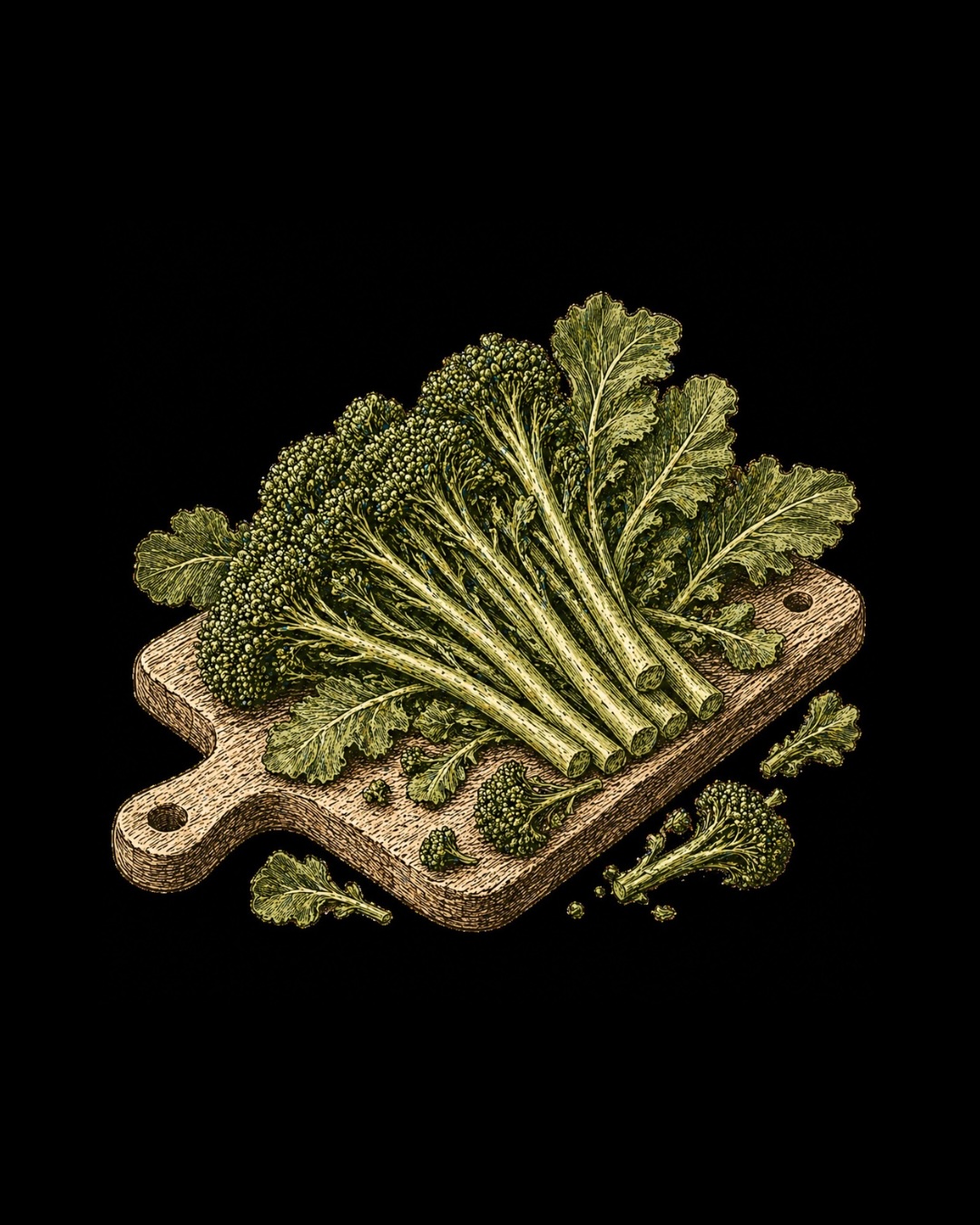
“We gather here, as we have always gathered, in the presence of the tenderstem. We know what it does. We know why we're here. Begin.”
The science behind the song
"Broccoli Ritual" treats tenderstem broccoli with the reverence of a small ceremony, which is funnier once you know the chemistry backs it up. Tenderstem is rich in glucosinolates, compounds that are converted into sulforaphane during chewing and digestion, as plant enzymes meet the glucosinolates released when the cell walls are broken down. The ritual of eating is, quite literally, part of the mechanism.
Sulforaphane activates the Nrf2 pathway, the body's own antioxidant and detoxification response, and has prebiotic properties that support beneficial gut bacteria. There's also emerging, early-stage research into neuroprotective effects, which is interesting in the context of the gut-brain axis, though it's still preliminary rather than settled.
Key terms
Glucosinolates. Sulphur-containing compounds found in cruciferous vegetables such as broccoli, cabbage, kale, and Brussels sprouts. They are biologically inactive in their intact form but are converted into active compounds (including sulforaphane) when the plant tissue is damaged by chewing, chopping, or digestion.
Sulforaphane. An isothiocyanate produced from the glucosinolate glucoraphanin, primarily found in broccoli and broccoli sprouts. It is one of the most studied phytochemicals in relation to the Nrf2 pathway and has been investigated for antioxidant, anti-inflammatory, and potential neuroprotective properties.
Nrf2 pathway. A cellular signalling pathway (nuclear factor erythroid 2-related factor 2) that regulates the expression of antioxidant and detoxification genes. When activated, it helps cells respond to oxidative stress. Sulforaphane is one of the most potent known dietary activators of this pathway.
Prebiotic. A substance, typically a type of dietary fibre or plant compound, that selectively feeds beneficial bacteria in the gut. Unlike probiotics (which are live microorganisms), prebiotics support the growth and activity of microbes already present in the gut.