Vicki Shepherd
I study whether plant-based dietary phytochemicals shape cognitive ageing and dementia risk, working through the gut, the immune system, and the brain.
I am a doctoral researcher exploring one of the most overlooked questions in human health: how the trillions of microbes that live within us shape the way we think, feel, age, and experience the world.
What are phytochemicals?
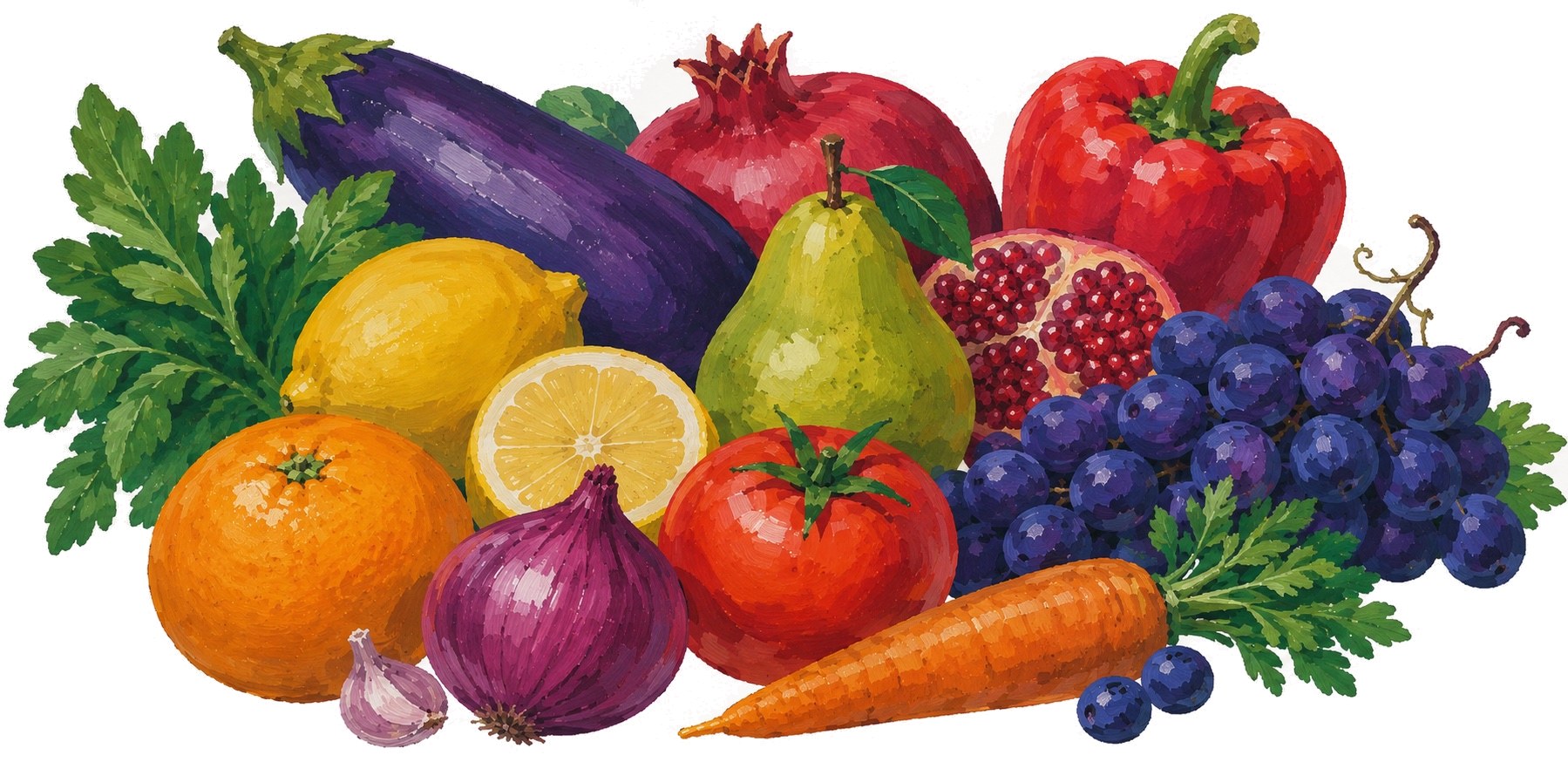
Phytochemicals are naturally occurring compounds found in plant foods. They help give fruits, vegetables, herbs, spices, tea, coffee, legumes, nuts, seeds, and whole grains their colour, flavour, and aroma. In plants, these compounds play protective roles, helping them respond to sunlight, pests, pathogens, and other environmental stressors.
Although phytochemicals are not classified as essential nutrients in the same way as vitamins and minerals, they are increasingly recognised as biologically active compounds. In the human body, many phytochemicals may help regulate oxidative stress, inflammation, vascular function, immune signalling, and the gut microbiome. Common groups include polyphenols, found in berries, tea, cocoa, coffee, and many herbs and spices; carotenoids, found in carrots, tomatoes, sweet potatoes, and leafy greens; and glucosinolates, found in broccoli, cabbage, kale, and other cruciferous vegetables.
Research is increasingly exploring how phytochemical-rich diets may support long-term health, including healthy cognitive ageing. Rather than acting as single “magic bullet” compounds, phytochemicals are thought to work as part of a broader dietary pattern, especially when consumed through a varied, plant-rich diet.
My work sits at the intersection of nutrition, microbiome science, immunology, and cognitive ageing. I am particularly interested in the biological pathways that connect what we eat to the health of the brain, and how microbial metabolites may influence memory, attention, executive function, and resilience across the lifespan.
What draws me to this area of study is the simple, yet transformative idea that we are not biologically independent organisms. Human health emerges from a continuous conversation between the body, the environment, and the vast microbial ecosystems that accompany us throughout life. Understanding that conversation may transform how we approach ageing, disease prevention, and public health.
My research focuses on identifying the microbial and dietary factors that support healthy cognitive ageing, with a particular interest in phytonutrient-rich foods, gut microbial metabolites, inflammation, and the mechanisms that connect them. I use large population datasets, systematic evidence synthesis, and causal inference methods to investigate these relationships, while maintaining a strong commitment to translating research into meaningful public understanding.
Alongside my academic work, I am passionate about science communication. Too often, important discoveries remain locked behind paywalls, technical language, or specialist conferences. Through writing, public engagement, digital tools, and educational resources, I aim to make complex science accessible without sacrificing scientific rigour.
My broader perspective is shaped by a One Health philosophy: the recognition that human health, animal welfare, and environmental sustainability are deeply interconnected. The future of medicine will not be found solely in genes, drugs, or hospitals. It will also be found in our food systems, our microbial ecosystems, and the relationships we build with the living world around us.
This website documents that journey. Here you will find my research, publications, ongoing projects, and reflections on the emerging science of the gut-immune-brain axis. My goal is not simply to understand how microbes influence health, but to help build a future in which that knowledge improves lives.
Doctoral research
Phytochemicals, gut-derived metabolites, cognitive ageing, UK Biobank, and Mendelian Randomisation.
One meal, one axis
An interactive guide that follows a meal from the first bite to the final exit, and the conversation between the gut and the brain along the way.
Evidence Check
Questioning nutrition science, supplements, and the claims behind popular diet trends.
Recipes and the Science
Everyday food, extraordinary biology. My own plant-based recipes, with the science behind their ingredients.
The Leguminatis
A plant-based music project I write and produce to share my research, make science more accessible, and explore the connections between our health and the planet.
Tools for Curious Minds
Gradus, a daily ordering puzzle game for quiz-lovers.